
November 12th, 2009 10:30 AM
Public hearings to adopt a uniform tsunami warning siren will be held this week in two coastal areas, announced Oregon Emergency Management today.
A team of specialists has been working on providing uniform, timely and accurate tsunami warning/notification to residents, employees and visitors along Oregon's coast. Based on Oregon Senate Bill 557, Section 2 the uniform tsunami warning signal administrative rules must specify type of signal, duration of signal, volume of signal and location of delivery device.
The work team has reviewed existing research and best practices on tsunami warning systems and decided on a uniform state standard that provides the necessary consistency to reduce potential conflicts and confusion. The objective of the tsunami statutes and implementing rules is to reduce the risk of loss of life.
Oregon Emergency Management is named as the responsible State Agency for carrying out the Administrative Rule development.
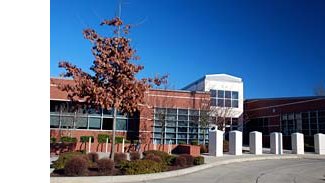
The first hearing will be held November 13 from 6 to 9 p.m. at the North Bend Community Health Education Center (CHEC), 2950 Sherman Avenue.
The second hearing will be held November 14 from 3 to 5p.m. at the Tillamook 9-1-1 Center, Stan Sheldon Board Room, 2311 Third Street.
The public is encouraged to attend.
Thursday, November 12, 2009


Eastern Oregon Driving conditions
ODOT/Eastern Oregon: Watch for Black Ice - Numerous crashes have occurred in the Baker County area due to motorists losing control on black ice. Motorists are advised to drive with extra caution on the freeway and other roadways due to hazardous driving condition.
Tuesday, November 10, 2009
Veteran's Day - a FEMA salute to our servicemen and women
FEMA Salutes our Veterans Our nation's servicemen and women are among our best and brightest, during times of peace or war, serving with honor under the most difficult circumstances and making sacrifices for their country.
Our nation sets aside November 11th each year to honor the... nation's 23 million living veterans and the generations before them who fought to defend our freedom. I want to take this opportunity to recognize the thousands of veterans over the past 30 years who elected to continue serving their country by joining the FEMA team.
President Obama issued a proclamation in honor of the holiday that specifically mentioned the important work of this group of veterans. He said, “We also pay tribute to all who have worn the uniform and continue to serve their country as civilians. Many veterans act as coaches, teachers, and mentors in their communities, selflessly volunteering their time and expertise.” In addition, I applaud the many members of the FEMA family who also continue to serve in the National Guard and Reserves.
Whether serving in uniform or serving as a member of the FEMA team, these individuals share the goals of protecting our nation and loved ones from harms way. We acknowledge their contributions to our national security, and underscore the fact that ALL who served – not only those who died – have sacrificed and done their duty.We also recognize and salute the many active duty service members and veterans in our partner agencies in federal, state, local and tribal organizations that share our emergency management goals. I know each of us, whether a veteran or not, knows a colleague who is a veteran.
I encourage you to recognize their valor and sacrifice in honor of Veteran’s Day. I urge you to begin with a simple, “thank you for your service.”Please visit our veteran’s tribute page at: http://www.fema.gov/about/veteransday/index.shtm and the Administrator’s video message at: http://online.fema.net
Monday, November 9, 2009
Douglas County gets more vacine for H1N1
More swine flu vaccine will soon be on its way to Douglas County and three clinics are planned this week to provide the vaccine to those who are most at risk of contracting swine flu, officially known as the H1N1 influenza.
As of Thursday, 8,100 doses of H1N1 vaccine have arrived in Douglas County, according to a news release. Douglas County Public Health expects another 3,100 doses to arrive sometime in the next week. The vaccine will be made available to registered H1N1 influenza providers and to people who are at greatest risk of contracting swine flu at three planned clinics. The priority groups, in no particular order: Those ages six months to 24 years old; pregnant women; people caring for, or living with, infants who are younger than six months of age; people from the ages of 25 to 64 who have health conditions that may put them at risk for complications from influenza — such as asthma, immune deficiencies, lung or heart disease and diabetes; health care workers and emergency medical service providers; law enforcement officers and firefighters who have frequent physical contact with the public as a part of their usual work; correction personnel in state prisons, local jails and juvenile correctional facilities who come into contact with adult or juvenile offenders; and public safety emergency telecommunications workers, including 911 call-takers and dispatchers.
The Roseburg Veterans Affairs Medical Center, Cow Creek Band of Umpqua Tribe of Indians, State Department of Corrections, Oregon National Guard, Oregon State Hospital and Oregon Youth Authority receive their own H1N1 vaccine allocations to vaccinate their respective populations.H1N1 flu symptoms are similar to the symptoms of seasonal flu. They include fever, cough, sore throat, body aches, runny or stuffy nose, headache, nausea, chills and fatigue. Some people have reported diarrhea and vomiting due to H1N1 flu.
Most people will recover on their own after a week or so of illness and don't need to see a doctor, the release said. In other cases, though, it might be necessary to seek medical attention.
People who have severe illness or are at high risk for flu complications should contact their health care providers, the release said. People who don't have access to health care may call the Oregon Flu Hotline at 1-800-978-3040 and talk with a health information specialist.
According to the CDC, people should only seek care in the emergency room if they are very sick, the release said. If you have the emergency warning signs of flu sickness, that's when you should go to the emergency room.
For more information, visit the following — Oregon Flu Web site, www.flu.oregon.gov or the county Health Department Web site, www.co.douglas.or.us/health — or call the Health Department Flu Info Line at 464-3815.
Sunday, November 8, 2009
Tornado Confirmed in Lincoln City (Update)
The National Weather Service confirmed that a tornado touched down at Lincoln City on Friday. The tornado's winds reached 85 MPH and it left a 150 yard path of destruction. Monday, 9th - this tornado has been rated as an SF - 0 . Not big but interesting for Oregon anyway.
Oregon does not get very many tornadoes, but this is the second confirmed tornado in the last 12 months. It is important to know what to do. FEMA has more information on tornado safety:
Saturday, November 7, 2009
H1N1 Swine Flu Vacines in Douglas County
Swine flu continues to spread in Oregon, according to state and local officials. Four new clinics will be held this week and next to help vaccinate people most at risk of getting the illness officially known as the H1N1 flu.Between Sept. 1 and Oct. 30, there were 698 hospitalizations and 18 deaths in Oregon attributed to influenza, according to a Douglas County Health and Social Services news release.
Of those, 14 hospitalizations were in Douglas County, and one man, a county resident older than 65, died elsewhere.
Almost all the hospitalizations and deaths are from the swine flu, although some have been due to another strain of flu.Due to the limited number of local deaths and concerns for privacy, the Douglas County Public Health Department will not be releasing further information on the county resident who died, Public Health promotion manager Marilyn Carter said this morning.As of Thursday, 4,000 doses of H1N1 vaccine had arrived in the county to date.
Douglas County Public Health expects another 4,100 doses to arrive in the first week of November. Those doses will be made available to registered H1N1 vaccine providers and to priority groups at the four upcoming clinics.
The state Department of Human Services has asked county health departments to use at least 30 percent of their vaccine allocations to provide clinics for people in priority groups who are not served by an enrolled H1N1 vaccine provider or who are uninsured.The priority groups are: everyone aged six months to 24 years old; pregnant women; people caring for, or living with, infants who are younger than six months of age; people from the ages of 25 to 64 who have health conditions that may put them at risk for complications from influenza — such as asthma, immune deficiencies, lung or heart disease and diabetes; health care workers and emergency medical service providers; law enforcement officers and firefighters who have frequent physical contact with the public as a part of their usual work; correction personnel in state prisons, local jails and juvenile correctional facilities who come into contact with adult or juvenile offenders; and public safety emergency telecommunications workers, including 911 call-takers and dispatchers.
The state Department of Human Services also encourages those without insurance or with no regular health care provider to call the Oregon Flu Hotline, toll free at 1-800-978-3040, Carter said.Callers can reach a “real person,” Carter said. “They can ask about the vaccine. They can ask about symptoms.”Health information specialists answer the line from 8 a.m. to 6 p.m. Monday through Friday.According to the Centers for Disease Control, people should only go to an emergency room if they are very sick and have the emergency warning signs of flu sickness.Dawnelle Marshall, division director of Douglas County Public Health, said emergency warning signs may vary with the age of the patient.
In young children especially, parents may notice their children having difficulty breathing, to the point at which they are using muscles in their shoulder, chest and diaphragm to breathe, she said.Emergency warning signs in adults include shortness of breath, Marshall said. People may experience their chest feeling heavy, and they may have a hard time catching their breath even without strenuous activity, she said.
In adults older than 65, emergency warning signs may include disorientation due to a fever or dehydration.Severe dehydration from any cause can be another emergency warning sign, Marshall said.For more information, visit the following — Oregon Flu Web site, http://www.flu.oregon.gov/ or the Health Department Web site, www.co.douglas.or.us/health — or call the Health Department Flu Info Line at 464-3815.
Subscribe to:
Posts (Atom)



 Posts

